South Valley Cusco Tour Description

Introduction

The South Valley Cusco encompasses a collection of archaeological and natural sites located southeast of the city, following the Vilcanota River basin. The route unfolds between 3,100 and 3,900 meters above sea level, with the highest point of the circuit being the surroundings of Pikillacta, where the altiplano begins to make itself felt. The highest-altitude archaeological site within the valley is the Tipón complex, situated at approximately 3,560 m.a.s.l., known for its extraordinary Inca irrigation channels that still function to this day.

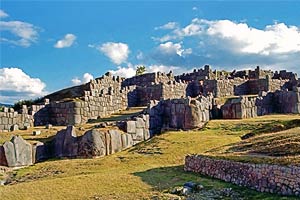
The circuit passes through sites from different cultures and eras, weaving a story that stretches from the enigmatic pre-Inca city of Pikillacta, built by the Wari culture between the 7th and 9th centuries AD, to the colonial splendor of Andahuaylillas, a small town famous for its 17th-century church known as the "Sistine Chapel of the Americas" recognized in 2026 as one of the most important destinations in the world, alongside the Sacsayhuamán Archaeological Park, by Mincetur.

This adventure cannot be complete without a visit to Cielo Punku, a favorite attraction among Valle Sur visitors, where you can take in unique panoramic views of the imperial city.

Important

To receive all the information on how to make a reservation, please write to us at:

info@viajesmachupicchu.com

Our team will get back to you promptly with all the necessary details and assistance.

South Valley Cusco Tour Summary

Day 1: South Valley Cusco

  • Pickup and transportation throughout the Valle Sur tour
  • Guided tour of the Tipón Archaeological Complex
  • Guided tour of Pikillacta (pre-Inca city)
  • Guided tour of the Sistine Chapel of the Americas
  • Tour of Cielo Punku (Optional)

Detailed Itinerary: South Valley Cusco | Half Day

Day 1: DAY 01: South Valley Cusco

Tipón Archaeological Complex

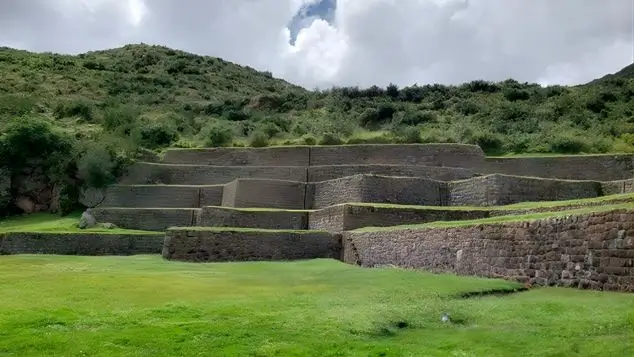
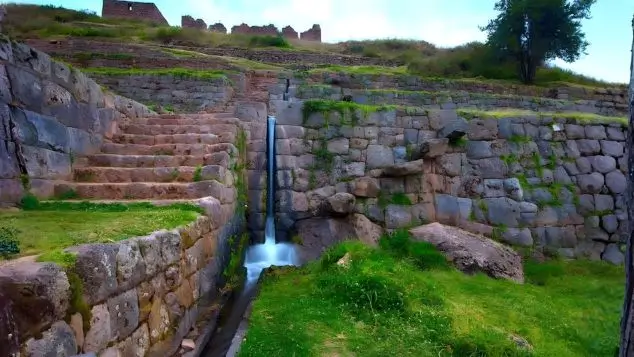
Known as the "Garden of the Inca" or the "Temple of Water," Tipón is one of the most remarkable sites in the Valle Sur. Its name comes from the Quechua word "Timpuc," referring to water that springs from the ground as if boiling a phenomenon the Incas considered a sacred manifestation of Pachamama.

Built as a royal residence and ceremonial center, the complex features 13 stepped agricultural terraces, carved stone channels, and ceremonial fountains that, after more than 600 years, continue to function with a precision that has left modern engineers speechless. A work that needs no introduction. It only needs to be seen in person.
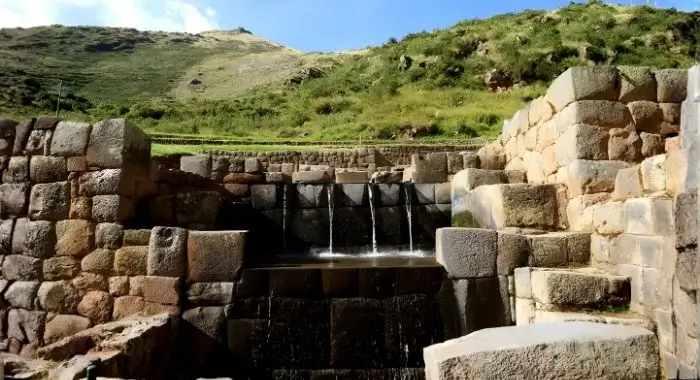
View of the archaeological complex of Tipón

Pikillacta Archaeological Complex

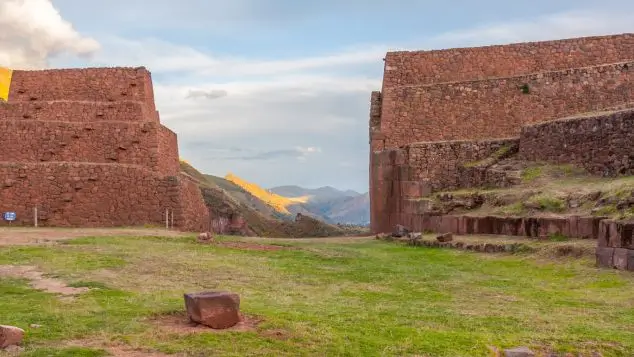
The Pikillacta archaeological complex, also known as the "City of the Flea," is perhaps the most surprising stop on the circuit. Unlike the other sites in the Valle Sur, it was not built by the Incas but by the Wari culture, a civilization that preceded them and had already mastered the art of planning cities on a large scale. Its more than 700 rooms spread across 50 hectares, with walls that once reached 10 meters high, give a sense of the scale and power of those who built it. What adds an air of mystery is that it was abruptly abandoned, with some structures still unfinished, and to this day no definitive explanation exists.
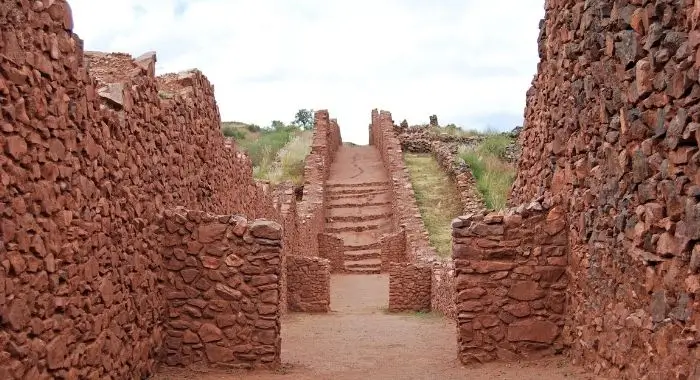
View of the Pikillaqta archaeological complex - south valley

The Sistine Chapel of Andahuaylillas

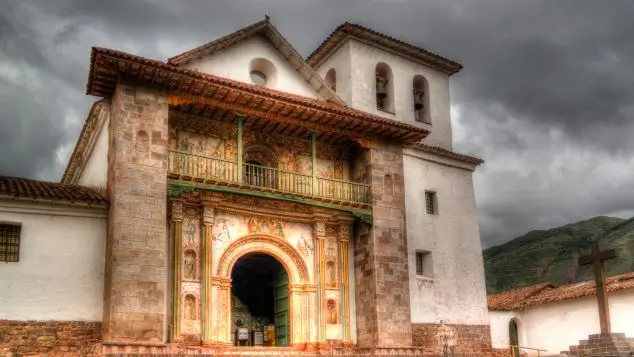
The town of Andahuaylillas seems like a quiet, unassuming place like many others in the Cusco Andes but stepping through the doors of its church changes everything. The Chapel of San Pedro Apóstol, built in the 16th century over an ancient Inca shrine, conceals one of the most impressive artistic ensembles in all of South America: murals covered in gold leaf, canvases from the renowned Cusco School, and a pipe organ that, remarkably, remains in working condition to this day. It is no coincidence that it is known as the "Sistine Chapel of the Americas" a title that visitors instantly understand upon entering.

What makes the temple even more fascinating is that all that visual richness had a concrete purpose: the murals were conceived as a tool for evangelization, a way of teaching Christianity to Andean communities through images, turning the church into a living historical document as well as a work of art.

It is worth noting that photography inside is prohibited, which invites visitors to set their cameras aside and simply enjoy the experience.
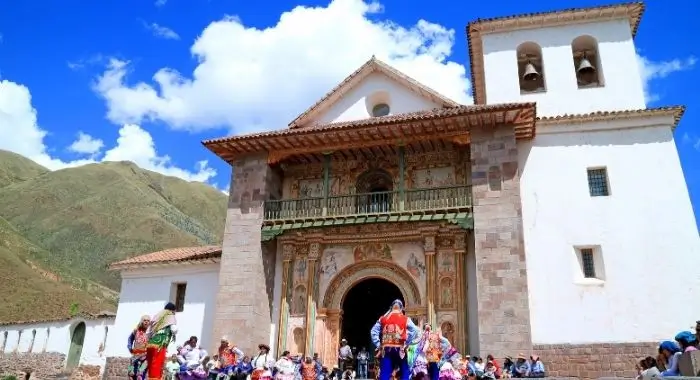
Sistine Chapel of America in the town of Andahuaylillas

Cielo Punku

Cielo Punku, meaning "Gateway to the Sky" in Quechua, is a viewpoint located in the district of Huaro, about 50 minutes from the city of Cusco along the southern highway toward Urcos. Its most iconic feature is the sculpture of a large human hand, from which you can admire the landscape of the Valle Sur.

From the viewpoint, you enjoy a spectacular panoramic view of the Valle Sur: mountain ranges, active agricultural terraces, and rural communities that seem frozen in time. Access is easy and suitable for all types of travelers. Undoubtedly one of the most highly recommended spots by visitors during the Valle Sur tour.
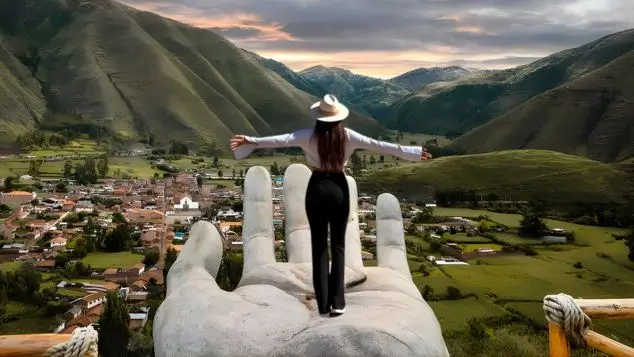

visitors at the tourist viewpoint - punku sky

South Valley Cusco Tour Includes:

  • Hotel pickup
  • Tourist transportation service
  • Bilingual guide service (English and Spanish)

Not Includes:

  • Meals (not specified in the program)
  • Tips for guides and drivers
  • Personal expenses and travel insurance

We recommend you to bring

  • Small backpack for personal belongings
  • Light daytime clothing and a warm layer for the afternoon (Cusco's weather is variable)
  • Comfortable walking shoes
  • Windbreaker or rain jacket during the rainy season
  • Hat or cap and sunglasses
  • Sunscreen
  • Camera or fully charged phone
  • Cash for personal purchases
  • Valid ID or passport

Frequently Asked Questions

What time does the Sacred Valley tour depart?

The tour departs every day at 8:00 am from the Main Square of Cusco.

What sites are visited on the Sacred Valley tour?

The tour includes the main archaeological sites of the Sacred Valley: Pisac, Ollantaytambo, the Awanacancha textile center, and the Pisac artisan market.

How long does the Sacred Valley tour last?

The tour is a full-day experience, approximately 10 hours. It returns to Cusco around 6:00 pm.

Is lunch included in the Sacred Valley tour?

Yes, a buffet lunch is included at a local restaurant in the Sacred Valley, where you can enjoy traditional Andean cuisine.

Do I need to buy entrance tickets separately?

Entrance tickets to the archaeological sites are not included in the tour price. We recommend purchasing the Cusco Tourist Ticket (Boleto Turístico) in advance, which covers access to most sites.

What should I bring for the Sacred Valley tour?

We recommend bringing sunscreen, a hat, comfortable walking shoes, a light jacket for cooler areas, your camera, and enough cash for personal expenses and souvenirs.

Tour Map

📍