

Introduction
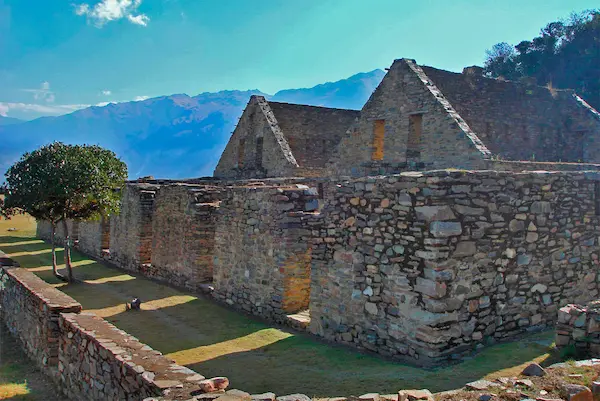
This Archaeological Complex is considered as important as the Inca city of Machu Picchu. Geographically, they are located in very similar areas, at the transition between the Andean valleys and the cloud forest region. Both were connected by an extensive network of roads and served similar functions. Likewise, the imposing location of the Archaeological Complex at 3,050 meters above sea level in relation to the Apurimac River at 1,550 meters above sea level makes the effort truly rewarding.
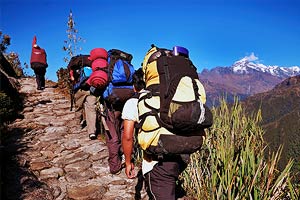
The archaeological and historical value of Choq'ekirao ("Cradle of Gold") is complemented by the beauty of its surroundings, which feature unique geographic characteristics and biodiversity typical of the cloud forest, adding extra appeal for visitors. This tour is specially designed for those who enjoy trekking, as it takes place in one of the most spectacular and rugged landscapes of Peru. The deep canyon of the Apurimac River is the perfect setting for this adventure, offering the best of Inca culture in a breathtaking natural environment, crowned by mountains over 6,000 meters high.
The trek requires good physical condition; crossing the canyon on foot is no easy challenge, but it will be the most unforgettable adventure of your life.
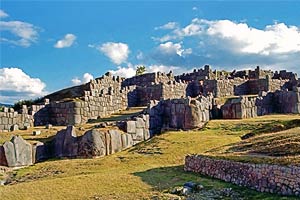
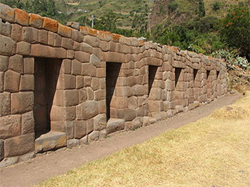 At 5 a.m., we will pick you up from your hotel and depart from Cusco in our private transport, heading first to the Saywite Archaeological Park. There, you will observe the mysterious monolith and the nearby archaeological remains; the ushnu and the stepped pacchas will remain in your memory, allowing you to compare their connection to the ceremonial architecture of Choquequirao. After a refreshing box lunch, the journey continues, descending through the remote Huanipaca Valley, one of those hidden landscapes in the Peruvian highlands reserved for travelers. Here, we will set up our tents and spend the night surrounded by a majestic landscape.
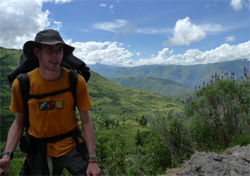 After breakfast, we depart at 5:30 a.m., descending along a pedestrian trail that leads into the ancient San Ignacio Hacienda and then drops steeply down to the rushing Apurímac River (San Ignacio Beach). We cross the suspension bridge... and this is where the real challenge begins. The ascent from the water level (1,450 m.a.s.l.) to the Choquequirao campsite (2,870 m.a.s.l.) is nothing short of overwhelming. On one hand, the beauty of the landscape—rivers, waterfalls, lilac flowers—everything is in motion. On the other hand, the rugged terrain, the steep slope, and the beating heart create a deeply personal connection between the traveler, their surroundings, and themselves. Once at the campsite and after lunch, we visit Phaqchayoc (the system of terraces or "granary" where corn cultivation can be seen) and the House of the Waterfall (believed by scholars to be the residence of the Inca of Choquequirao). After returning to the campsite, tired from the day's trek, dinner will be served, and we will spend the night. (Bathroom and cold shower available)
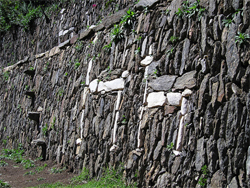 This is the most beautiful day. It is surprising how the vast majority of visitors take four days for the trek (two to get there and two to return) but spend only a few hours or even just minutes (!) exploring the various sectors of Choquequirao. Understanding that the complex is systematically spread across both sides of the Corihuayrachina Apu ridge, we will dedicate the time necessary to fully appreciate its context. We will have the entire day to visit the most remarkable sectors of the Archaeological Park: the Llamas, the upper and lower parts, the Grand Pathway, and the Triumphal Wall of Sartiges. Our travelers will enjoy lunch near the complex to avoid interrupting the visit and, with a bit of luck, witness the majestic flight of the condor over the deep Apurímac River canyon. Afterward, we return to the campsite, where dinner will be served, and we will spend the night. (Bathroom and cold shower available).
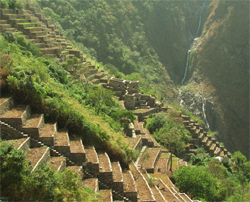 After breakfast and now familiar with the route, the return journey becomes easier. The landscape surprises us with its novelty; we now enjoy a different view, as our spirits (and recovered muscles) are at their peak. The constant sound of the river accompanies us, while the imposing Apurímac Canyon seems to swallow the traveler. Finally, we reach Playa San Ignacio. "Látigo Negro," "Machuco," "Cayguash," or another trusted companion awaits us. Riding back on horseback offers a final grand view of the landscape that we have become a part of. Horseback riding also provides an excellent opportunity to capture photos with our travel companions and the new friends we made along the way. The muleteers, like true "supermen," leave a lasting impression on every traveler. After a well-deserved rest and lunch, we take the return bus to Cusco, arriving at approximately 9:00 p.m. (a 5-hour journey).