

Introduction
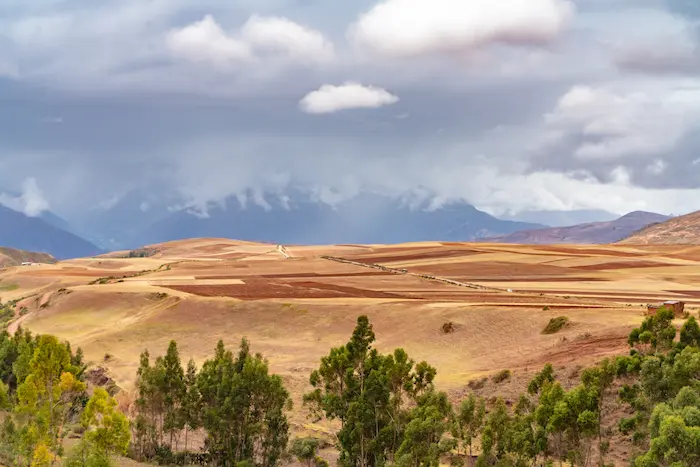
MARAS: Located west of Cusco at 3,300 meters above sea level, from here you can see the Urubamba mountain range and the snow-capped peaks of La Verónica (5,682 m.a.s.l.) and Chikón (5,530 m.a.s.l.). Its significant occupation began when the noble Cusqueñans of the Inca Empire were stripped of their palaces in Qosqo and had to settle in smaller towns like Maras. It has a church built of adobe, typical of village religious architecture. Inside, paintings from the Cusco School are preserved.
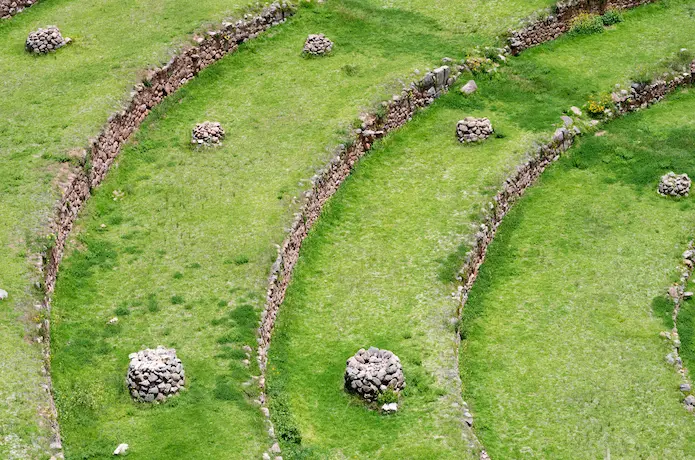
MORAY: Located about 7 km southwest of Maras, the archaeological site of Moray is unique in the region. It consists of enormous natural depressions or holes in the terrain, used to build concentric agricultural terraces with their respective irrigation canals. It is considered a prototype of an advanced greenhouse or biological experimentation station.
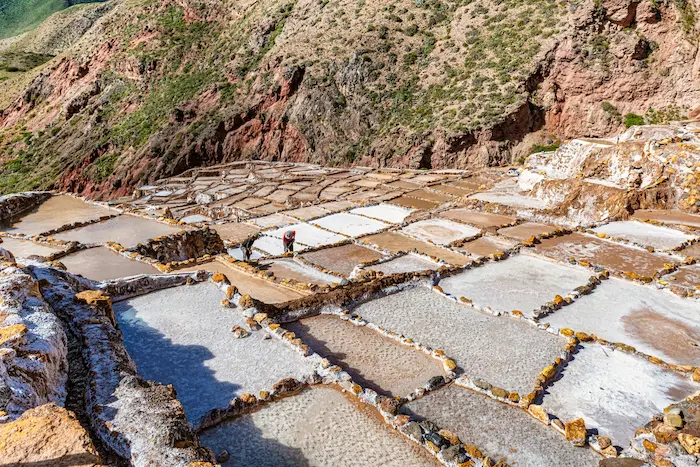
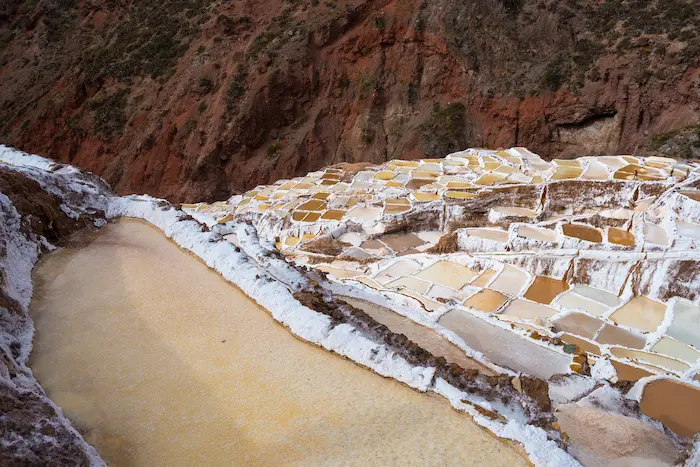
SALINERAS: Also known as the "Maras Salt Mines," located northwest of the town of Maras, these are made up of about 3,000 small salt pools, each averaging around 5 m². During the dry season, they are filled or “irrigated” every three days with salty water that flows from a natural spring located above the pools. As the water evaporates, the salt gradually solidifies and is later harvested.